AEB could save 17,000 lives in UK in ten years
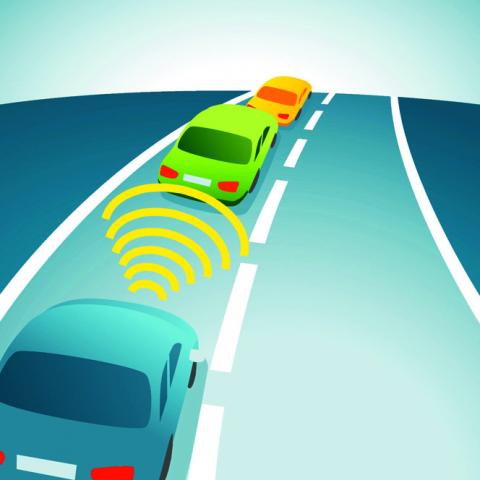
The UK’s Thatcham motor insurance research centre has found that thousands of accidents could be prevented or the effects lessened if all cars were fitted with autonomous emergency braking (AEB) technology from 2015. According to this month’s What Car? Magazine, the safety technology could reduce the number of deaths and serious injuries on UK roads by 17,000 in ten years.
AEB uses a combination of laser and radar to detect an imminent collision with an obstacle in front of the car and then automatically applies the brakes. If the driver fails to respond, the system will bring the car to a complete halt.
Deaths or serious injuries could fall by 17,000 by 2025 and could also cut whiplash claims, which currently total 550,000 per year and cost the UK insurance industry a total of £2bn, pushing premiums up in the process.
“When seatbelts became compulsory for front-seat occupants in 1983, the number of motorists killed or seriously injured fell by almost 50% overnight,” said Alex Newby, What Car?’s consumer editor. “AEB could have a similar effect, making it the most important safety innovation in more than 30 years. This type of active safety aims, primarily, to avoid the crash in the first place, rather than minimise the after-effects. There are several active safety systems that experts recommend in particular, but AEB is the only one that they unanimously agree we should all be demanding on our next car.”
Other important car safety technology identified by the magazine includes lane support, attention assist and speed alert systems.
