DC-DC converter project given new lease of life
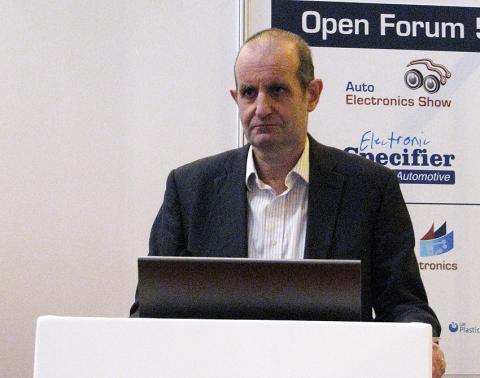
A project to design a multi-port DC-DC converter for hybrid electric vehicles has been given a new lease of life, according to Mark Willows, technical specialist at Prodrive. Speaking at November’s Advanced Engineering Show in Birmingham, UK, he said that the Flex DC-DC Project, which was due to end in December this year, will now be extended.
The £1.7m project, supported by the Technology Strategy Board, is developing the converter using silicon carbide technology. As well as Prodrive, the consortium consists of the University of Manchester, Tata Motors, IST Power Products, Scisys and Raytheon.
“The project finishes in December 2013,” said Willows. “But there will now be a follow-on project to bring the converter to technical readiness.”
He said that the need for a multi-port converter could be shown from the Toyota Prius, which went from one DC-converter to two in the jump from the second to the third generation. A converter was needed in both to feed the 12V vehicle electronics but the second generation also needed a converter because of the jump to a 500V power train.
He said that future vehicles would need even more converters as they moved from 12 to 48V systems and employed different power sources such as supercapacitors, fuel cells and electric flywheels. In fact, the Tata Vista electric vehicle the project used as a demonstration vehicle was fitted with a bank of supercapacitors in addition to the standard 220V Li-ion battery pack.
He said building the demonstration system meant overcoming “a number of design challenges, typically around the safety of the system”.
And he explained the use of silicon carbide. “We were anxious to make use of silicon carbide because of the way it reduces losses,” he said.
