F1 2026: first impressions of the new regulations
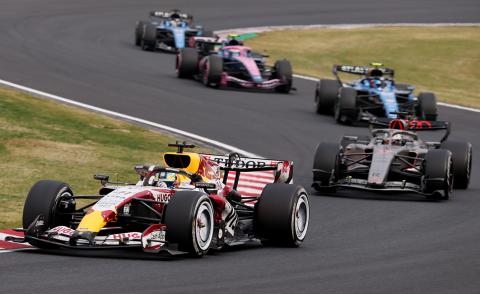
Martin Wilson looks at how the new regulations have impacted Formula One in the first three races
After three grands prix and a sprint race, now is a good time to share first impressions of the new 2026 Formula One regulations and the racing they have produced.
While I still believe that less aerodynamic downforce would lead to better racing, the 2026 season has started well. Cars can now follow more closely than in the last few seasons, so the first few races have produced more overtaking than in recent seasons.
There has been much more overtaking, especially between the race leaders, at least during the first few laps when tyres are fresh. The close racing begins to decline, with the gaps widening slightly as the cars use their tyres differently. Overtaking also resumes after pit stops.
The Japanese Grand Prix showed that the new regulations can-produce race long racing; although the winner had pulled out a significant gap, the next two cars were only separated by two seconds. Overtaking may be aided by artificial overtaking aids, but it is not once and done, as it often was with the drag-reduction system in previous seasons.
As frequently seen so far, a driver has made a pass and then lost the place again within a few corners. The driver has options, so they must be tactical about how they use the boost and overtake modes. It means the driver needs to plan their power harvesting and boost. Many drivers, such as Max Verstappen, are very critical of the new regime, but, like many other critics, he is not happy with his car’s performance under the new rules. As is so often the case, the front-runners have expressed their enjoyment in driving the new cars.
However, there are caveats; the new modes can lead to dangerously high closing speeds when an overtaking car is on boost, and the one in front is harvesting energy or just running out of electric power at the end of the straight. This was shown when Oliver Bearman's Haas had a big accident after coming across Franco Colapinto in the Alpine in just such a situation.
Bearman had to take avoiding action, ran onto the grass and hit the barrier at 50G. Fortunately, he walked away with just a bruised knee.
It added weight to Fernando Alonso's reported comment that the passing was about evasion, not overtaking. The FIA has meetings planned in April to review the initial experience with the new regulations and consider possible adjustments based on the early learning. Perhaps it is fortunate that there is an enforced break due to the war in the Middle East, which will allow FIA, the teams, and the drivers to take stock, and consider possible changes to the regulations to improve safety.
So far, Mercedes, McLaren and Ferrari seem closely matched, although Mercedes has the upper hand as reflected in the Constructors Championship. The verdict is still out on McLaren, given their poor reliability in the first two races. Japan suggests they might give Ferrari a run for their money in the next few races. The test will be whether Ferrari and McLaren can develop their car quickly enough to challenge Mercedes.
The big issue for both McLaren and Mercedes is whether they can produce starts to prevent Ferrari from taking places off the line. At least it has made the first few laps of each race interesting.
Cadillac and Aston-Martin, on the other hand, have a lot of work to do. The best they can probably hope for is not to be the last four cars in every race and in the championships by the end of the season. The midfield is very open, but it will no doubt shake out more as new developments come through. It will be interesting to see how Red Bull, in particular, gets to grips with their car and the new powertrain.
The big question is, will the unplanned spring break give the teams the capacity to address their performance issues and bring significant upgrades to Miami in May? At this fly-away stage of most seasons, teams aim to bring the first round of major upgrades at the start of the European season. Along with any tweaks to the regulations, it could be almost a new start in Miami on 3 May.
