Dassault helps BMW develop i3 electric car
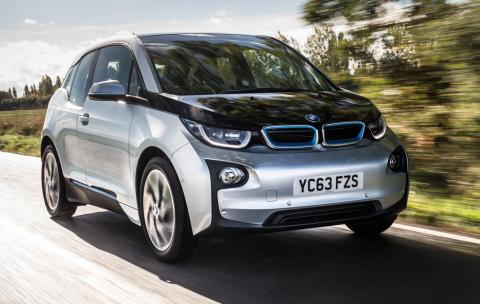
BMW used Dassault Systèmes’ Catia Composites applications to develop its lightweight and emission-free i3 electric car.
With Catia, composites manufacturing constraints can be embedded early in the conceptual stage, enabling increased design iteration and early collaboration between design and manufacturing. Designers and producers are also able to experience the manufacturing process realistically, visualising the material fibre orientation. This helps detect any deformations that can compromise strength, quality and production due to a difference between the final product and the design intent.
“BMW Group leveraged Dassault Systèmes’ comprehensive and integrated industry solution experiences for the design and manufacturing of composite parts and structures”, said Monica Menghini, executive vice president at Dassault Systèmes.
Catia Composites applications provide a seamless experience with digital continuity, from design to manufacturing, predicting manufacturability. The specific composite-related features of the application allowed faster composites assemblies and components designs.
“Utilising composite structures gives vehicle manufacturers the innovation space they need to create new mobility experiences while meeting ever more stringent regulatory targets,” said Philippe Laufer, Dassault’s CEO. “We are proud that our long term investment in building integrated design and manufacturing solutions for composite materials, in partnership with industry leaders, helped BMW Group revolutionise mass production of composites structures in such an impressive way. This is yet another demonstration of our commitment to bring design into the age of experience with our Catia applications portfolio.”
