Toyota shows SiC technology for hybrids at Yokohama show
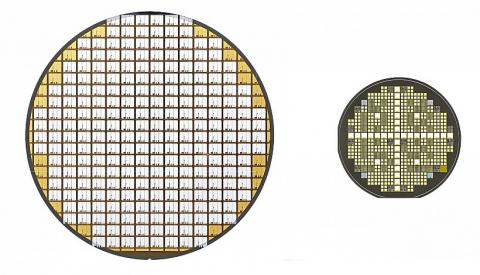
Toyota is showing silicon carbide (SiC) technology at this week’s Automotive Engineering Exposition in Yokohama, Japan, that it says will help achieve a 10% improvement in the fuel efficiency of its hybrids and other electric-powered vehicles.
Semiconductors play a key role in the hybrid system, located in the power control unit (PCU), which governs the flow of electricity from the battery to the electric motor, and sends electricity generated under braking and deceleration to the battery for storage. However, PCUs account for about 25% of the total electrical power losses in hybrid vehicles, with 20% occurring in the semiconductors.
Toyota has found that using a new SiC compound instead of traditional silicon for the power semiconductors can reduce these energy losses, and allow for the PCU to be reduced in size by about 80%.
Toyota has developed the technology in-house in partnership with Denso and aims to test its performance in public road trials within the year. Prototype hybrids using SiC power semiconductors have already indicated an improvement of more than 5% in fuel efficiency calculated according to the official Japanese JC08 test cycle.
Toyota is continuing its research in a dedicated clean room facility it has set up at its Hirose plant in Japan and it proposes to boost development activities so the technology can be implemented at an early stage.
