University researchers aim to simulate car noise and vibration
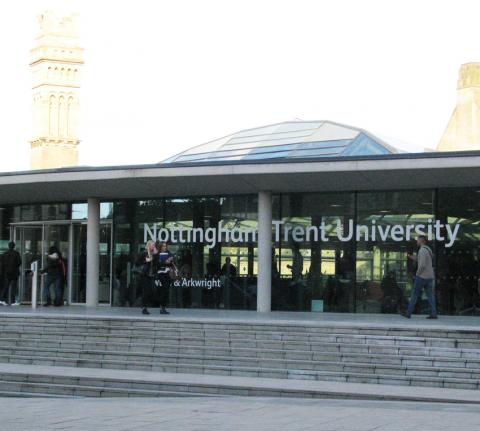
Car journeys could become smoother and quieter as a result of new research that aims to cut noise and vibration in the next generation of vehicles. Scientists at Nottingham Trent University are leading a €1.9m study to develop software that would let car manufacturers accurately predict how a new model would respond to high levels of structural vibration caused by air resistance.
This would allow them to identify any unwanted noises and address them at the design stage, cutting costs by removing the need to develop an expensive physical prototype.
Controlling and minimising vibration and shaking would give manufacturers a competitive advantage in the drive for lower noise pollution and enhanced driver and passenger comfort. Avoiding high levels of vibration would also work to reduce wear and tear on the vehicle, saving motorists in repair costs.
The four-year European Union funded project also involves researchers from the University of Nottingham, University of Southampton and Jaguar Land Rover, along with specialist German SMEs Inutech and CDH.
The aim is to create the first ever simulation tool that will model the precise structural vibrations of a vehicle over the whole range of frequencies audible to humans.
The researchers hope to provide a robust and detailed analysis of any vehicle’s vibrations on a very fine scale, taking into account the materials and intricate couplings between different components.
This simulation could be implemented into existing computer aided engineering toolkits used by the automotive industry to reduce development time and cost, while improving safety, comfort and durability of vehicles.
Engineers would enter the model’s parameters into the system to see a detailed visualisation of the car they are modelling; they could then see how the vibration levels would affect the vehicle.
“Noise and vibration issues can seriously detract from the reputation of a vehicle, with a knock-on detrimental effect for the entire brand,” said David Chappell, a researcher in Nottingham Trent University’s school of science and technology. “Noise and vibration differs greatly vehicle to vehicle at high frequencies, but this modelling technique would be indispensable for manufacturers, with tightening legal regulations around noise pollution. The new technique has the potential to reduce costs by identifying vibration issues at the virtual design stage. Motorists and their passengers would also reap major benefits, with improved journey comfort.”
The work is being funded by the European Commission’s FP7 People Specific Programme, Marie Curie Actions.
