Mitsubishi raises the bar for infotainment
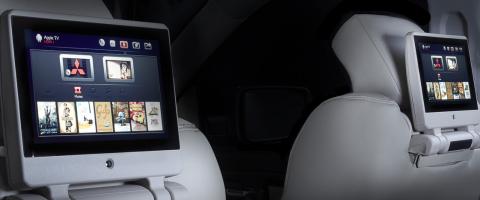
Mitsubishi Electric Automotive America has introduced its Flexconnect audio-video bridging system. This in-vehicle infotainment system provides flexibility for multiple displays and multiple content streams, allowing passengers to enjoy individual entertainment preferences.
“Flexconnect is an exciting development for in-vehicle infotainment systems,” said Doug Ray, director of audio, video and communications at Mitsubishi Electric. “Our new system improves the overall experience for passengers who can now make individual choices about the entertainment and data they use, including media they bring into the vehicle.”
The system uses two rear seat screens with cameras that operate as independent units while still being connected through the Ethernet AVB architecture. It supports Wifi connectivity and can be used with multiple smartphones or tablets, allowing users’ content to be available in the vehicle.
An any-media-on-any-screen feature allows sharing from one screen to another with a simple tap on the screen. Interactivity between the two screens allows passengers to play games or send photos back and forth.
Content can be controlled from the front seat, allowing parents to preview and override rear-seat programming. Cameras installed above each rear seat screen allow monitoring of rear-seat occupants.
“The Flexconnect infotainment system is perfect for families because it lets kids entertain themselves in rear seats, while parents have ultimate control of the kids’ entertainment,” said Ray. “It essentially eliminates the need to bring content into the vehicle on a disk. Passengers now control the content and the way it is displayed using paired devices and streaming.”
Plans for the future include navigation selection, allowing passengers to choose a destination and send it to the vehicle’s navigation system. The company also plans to introduce occupant recognition, enabling personalised layouts, contact lists, device defaults and audio preferences that allow each user to step into their own personal entertainment system.
Also in the pipeline is the ability to offload alerts, such as traffic and navigation information, from the head unit onto the tablet, allowing the front-seat passenger to decide when the driver should be informed. This gives the passenger access to detailed alerts while preventing distracted driving.
“To keep pace with the consumer electronics market, infotainment system flexibility is crucial,” said Gareth Williams, strategic technologies manager at Mitsubishi Electric. “Flexconnect takes advantage of the audio-video bridging architecture to ensure flexibility in the future. The current system enables several features that car manufacturers could implement in the near future, such as occupant recognition and distracted driving prevention.”
