Sound system keeps passengers in their zones
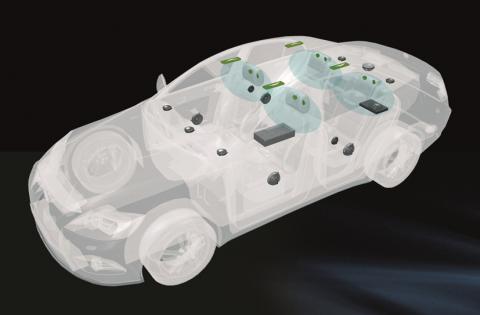
Harman’s ISZ individual sound zones technology for in-cabin use lets drivers and passengers create sonic zones, ensuring that all occupants only hear what matters to them
While there are many different sounds generated in a vehicle, not all are relevant to all passengers. Today's explosion of portable electronics and in-vehicle technologies such as navigation, hands-free calling and Bluetooth connections have dramatically altered our driving habits and in-cabin experience.
Navigation prompts and phone calls are important for drivers, but interrupt the music for passengers. Games, audio books and digital videos for one passenger result in a cabin filled with sonic clutter for all. The ISZ technology can help reduce that clutter, ensuring that all occupants in the vehicle hear only what matters to them.
“Individual sound zones and the Halosonic technology suite enable automakers to offer enhanced experiences to passengers, as well as imagine new possibilities as the car itself continues to evolve in use beyond the traditional people mover,” said Michael Mauser, president of Harman’s lifestyle division. “With Harman’s science-based architecture and acoustic precision, we’re pushing the barriers of sound and creating the ultimate personalised experience throughout the vehicle cabin.”
ISZ is an acoustic design and complementary digital signal processing technology that increases speaker directivity and reduces crosstalk in and between the zones in a vehicle. It does not eliminate all sound signals, but tunes the vehicle to ensure passengers’ audio experience is optimised for their location in the vehicle and current mode of listening.
ISZ uses a vehicle’s existing audio system speakers with the addition of headrest speakers equipped with micro speaker technology, along with thin and flat electro dynamic planar loudspeakers in the vehicle ceiling. The digital signal processing has been specifically adjusted to the vehicle cabin and speakers such that it will temper the signals from other zones, regardless of whether they are music, voice or other noises.
Each passenger can activate and control their zone. Passengers can still hear other sounds in the cabin, but those sounds are controlled in a way that limits the interruptions and distractions to each passenger’s own sound experience. The configuration can be customised based on the cabin design and layout of vehicles, as well as type of vehicle.
They can be integrated into any Harman in-car audio system via the amplifier, providing car makers various possibilities to enhance in-car listening experiences. It is available now.
